Experience Art and Culture: A Overview to the Los Angeles County Museum of Art in L.A., CA
The Los Angeles County Museum of Art (LACMA) stands as a prominent cultural establishment. It safeguards a rich collection that spans thousands of years and various traditions in art. Visitors can expect a blend of legendary and modern works. Boasting plentiful things to explore, from renowned exhibits to obscure treasures, LACMA invites wonder. The experience extends beyond mere observation, compelling one to reflect upon what makes art resonate in today's world. What awaits those who step through the doors?
Introduction to LACMA's Galleries
The Los Angeles County Museum of Art (LACMA) showcases an broad and varied collection that spans over 6,000 years of art history. With more than 150,000 objects, LACMA's holdings include a wide array of cultures and artistic movements. The museum displays significant works from ancient civilizations, European masters, and contemporary artists, illustrating the changing story of human creativity.
Notable spheres of concentration highlight American, Asian, Latin American, and Islamic art, constructing a rich tapestry of universal outlooks. LACMA preserves outstanding creations, encompassing paintings, sculptures, textiles, and decorative arts. The institution's dedication to art education and public participation is demonstrated through its various programs and shows, which invite visitors to delve into themes and ideas within the collections. This devotion to diversity and inclusivity affirms LACMA as an indispensable center for perceiving the complexities of artistic expression across time and geography.
Don't-Miss Collections
The Los Angeles County Museum of Art showcases a variety of essential exhibits that cater to diverse interests. Visitors can discover renowned permanent collections, engage with temporary featured shows, and experience creative interactive art pieces. Each element provides a unique chance to appreciate art in its many forms.
Famous Fixed Collections
While touring the Los Angeles County Museum of Art, guests encounter a broad collection of iconic permanent collections that illustrate the museum's commitment to wide-ranging artistic expressions. Significantly, the large collection of Latin American art underscores the region's vibrant cultural heritage. In addition, the European paintings section features masterpieces from well-known artists such as Van Gogh and Monet, revealing a glimpse into the evolution of Western art. The contemporary art collection is just as compelling, showcasing works by influential modern artists. Moreover, the museum's decorative arts and photography collections present unique insights into various artistic mediums. All together, these permanent exhibits create a compelling narrative of human creativity, making LACMA a key destination for art lovers.
Temporary Highlighted Collections
Delivering a vibrant atmosphere, the temporary featured exhibitions at the Los Angeles County Museum of Art captivate visitors with new perspectives on both historical and contemporary themes. These meticulously selected displays often highlight varied artists and movements, challenging conventional narratives and encouraging critical dialogue. Each exhibition is designed to engage audiences through innovative storytelling, using various mediums to evoke emotion and provoke thought. Notable past exhibitions have included retrospectives of influential artists and thematic explorations of social issues, making them essential stops for art enthusiasts. The rotating nature of these exhibits guarantees that visitors are continually presented with new ideas and artistic expressions, reinforcing LACMA's commitment to showcasing the evolving landscape of art and culture.
Interactive Art Creations
LACMA's engaging artistic exhibits offer a distinctive chance for visitors to interact with art in a hands-on manner, improving the overall museum experience. These exhibits encourage involvement and encourage artistic creativity, enabling visitors to become part of the artistic process. For example, installations such as "The Obliteration Room" transform as visitors add their own vibrant adhesive dots, altering the space over time. Another notable exhibit, "The Levitated Mass," creates an immersive environment where viewers can walk beneath a massive boulder, witnessing the contrast of nature and art. These exhibits not only challenge conventional views of art but also cultivate a deeper connection between the audience and the work, establishing LACMA an essential destination for art enthusiasts seeking interactive experiences.
Concealed Spots to Find
Among the many attractions at the Los Angeles County Museum of Art, several undiscovered treasures are waiting to be found beyond the famous artworks. Visitors often overlook the smaller, intimate galleries that house rotating exhibitions of emerging artists and obscure pieces. The museum's photography archive features exquisite prints from celebrated picture-makers, providing insight into varied viewpoints through the lens.
Moreover, the weaving and design galleries present intricate tapestries and ceramics, highlighting artistry that is commonly undervalued. The outdoor spaces, like the serene gardens and unique sculptures, provide a tranquil retreat surrounded by the bustling museum environment. Interacting with these overlooked corners allows a fuller grasp of the museum's vast collection and strengthens a bond to the art. Each corner of LACMA houses stories waiting to be uncovered, motivating visitors to venture beyond the primary displays and discover the richness of its hidden treasures.
Distinctive Activities at LACMA
What distinctive encounters can one uncover at the Los Angeles County Museum of Art? LACMA offers an collection of unique encounters that enrich the art-viewing experience. Visitors can engage in captivating programs such as art classes and workshops, allowing them to explore their creativity alongside professional artists. The museum also hosts interactive exhibitions that often combine various art forms, delivering a multi-sensory experience.
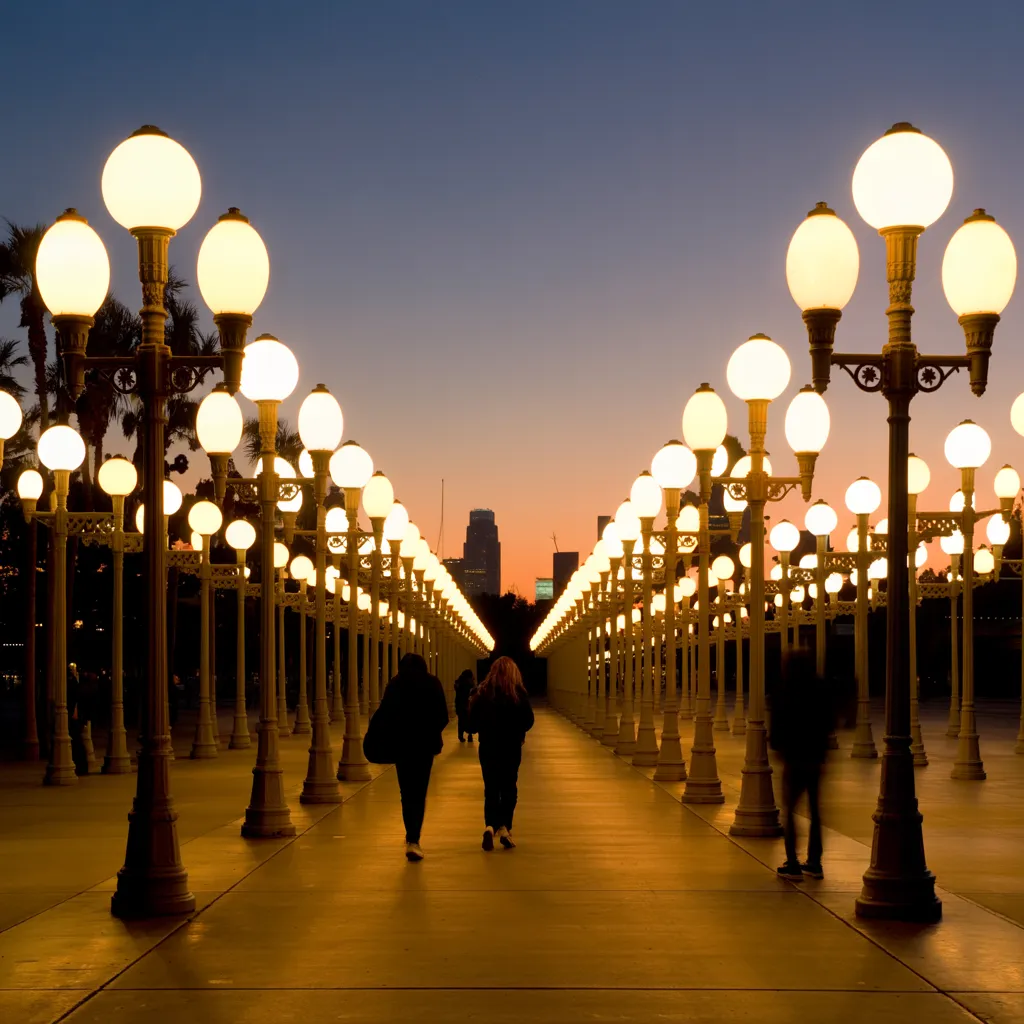
One distinctive feature is the iconic Urban Light installation, where guests can amble among 202 rehabilitated street lamps, yielding a magnificent visual scene for photography. Additionally, the museum's outdoor spaces, like the Ahmanson Building's expansive gardens, deliver tranquil settings for relaxation and reflection.
For those drawn to interactive experiences, LACMA frequently organizes group activities, including film screenings and music performances, fostering a vibrant community atmosphere. Through these distinctive programs, LACMA encourages visitors to connect more deeply with art and culture.
Visiting Information and Tips
When planning a visit to the Los Angeles County Museum of Art, understanding essential information can improve the visit. The museum is available daily from 11 a.m. to 5 p.m., with extended hours on Fridays until 8 p.m. Entry is priced fairly, offering reduced rates for learners, elderly visitors, and children. It is recommended to purchase admission passes online in advance to prevent extended queues.
Visitors should be familiar with the museum's design, as it extends across several facilities. A map can be picked up at the entrance or downloaded from the museum's website. Supportive footwear is recommended, given the large area.
If you're looking to eat, LACMA features several on-site eateries that serve various tastes. Most areas permit photography, but flash and tripods are not allowed. In conclusion, reviewing any particular rules or limitations prior to the visit can ensure a better experience.
Future Events and Programs
Guests visiting the Los Angeles County Museum of Art can improve their experience by taking part in a variety of forthcoming events and programs designed to inform and inspire. The museum frequently hosts art workshops, guided tours, and presentations showcasing prominent artists and experts. These activities offer attendees a greater comprehension of the exhibits and the creative processes behind them.
Seasonal family days generate interactive experiences designed for young people, making art accessible and enjoyable for all ages. Additionally, the museum's Los Angeles County Museum of Art address film series presents art-inspired documentaries and films, nurturing a greater appreciation for the arts.
Special displays often occur alongside unique events, allowing visitors to become absorbed in specific themes or cultures. For those invested in community involvement, LACMA also offers volunteering possibilities and teamwork-based art projects. By participating in these fulfilling experiences, guests can forge a stronger connection with the energetic artistic landscape in Los Angeles.
Regularly Answered Questions
What Details Explain Lacma's Origins of Founding and Expansion?
LACMA was created in 1961, uniting several smaller museums. Throughout the years, it increased considerably, acquiring diverse collections and undergoing architectural transformations, ultimately establishing itself as a prominent cultural institution in Los Angeles and beyond.
What Methods Does LACMA Use to Obtain Its Art Pieces?
LACMA obtains art pieces through various methods, including donations, purchases, and bequests. The museum actively engages with collectors, artists, and estates, preserving a rich and expansive collection that illustrates different cultures and artistic movements.
Are there service positions available at LACMA?
Yes, volunteer opportunities are offered at LACMA. People can take part in various roles, including assisting with events, educational programs, and gallery tours, providing a meaningful way to assist the museum and improve their experience.
Does LACMA form Any Alliances With Local Schools?
Yes, LACMA has forged partnerships with local schools, furthering educational programs that strengthen students' connection with art. These relationships function to cultivate inventive thinking and support a richer appreciation of culture within the community.
Which Green Efforts Is LACMA At Present Implementing?
LACMA is establishing different environmental efforts, incorporating energy-efficient lighting, water conservation systems, and sustainable materials in construction projects. They want to reduce their carbon footprint while cultivating environmental awareness within visitors and community members.